Riley Long · 24 October 2026
Limited Editions in Fashion: Linking Artisan Weavers to International Style Shifts
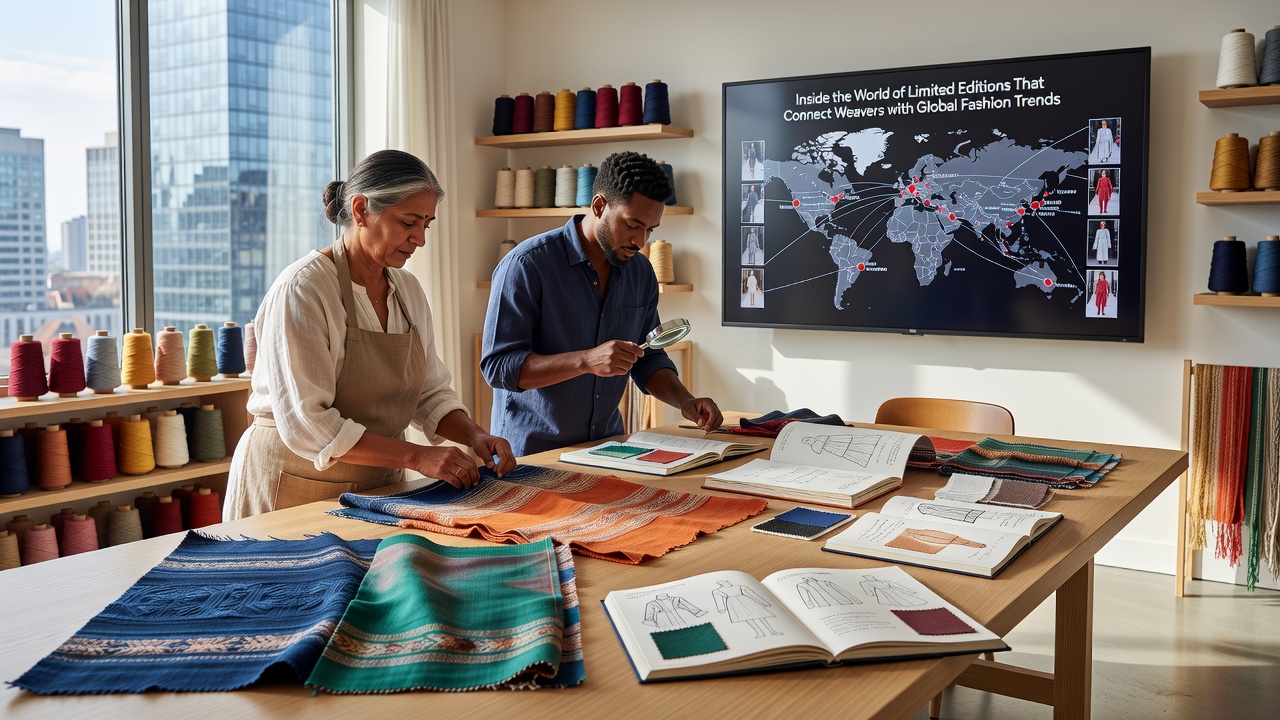
Global fashion markets have long drawn from traditional weaving practices, and limited edition releases now serve as a direct bridge between those craftspeople and broader consumer audiences across continents. Data from industry reports indicate that such collections often feature small production runs, typically under 500 units per design, which allows weavers in regions like Tuscany and the Andes to maintain control over techniques while adapting patterns to current silhouettes and color palettes favored in European and Asian markets. Observers note that this model gained traction as brands sought ways to highlight authenticity amid rising demand for traceable materials, with October 2026 scheduled to bring several new capsule drops timed around major trade events in Milan and Paris.
Production cycles for these editions usually begin with weavers selecting natural fibers such as wool, linen, or alpaca that align with seasonal forecasts issued by forecasting agencies. Designers then collaborate on motifs that incorporate global influences, for instance merging geometric motifs from West African textiles with minimalist cuts popular in Scandinavian ready-to-wear lines. Studies from textile research centers show that these partnerships frequently result in fabrics that meet both durability standards required for high-end garments and sustainability benchmarks tracked by organizations monitoring supply chains in the European Union and North America.
Mechanics of Limited Edition Releases
Scarcity plays a central role in how these textiles reach international buyers, since each run is capped to prevent mass replication and to preserve the labor-intensive nature of hand-weaving. Retailers report that pieces sell through dedicated online portals or select boutiques, often with certificates detailing the weaver's location and the exact number of hours invested in each bolt. Figures from trade databases reveal that average price points for such garments range from 300 to 1200 euros, reflecting both material quality and the narrative of direct artisan involvement. What's interesting is how digital platforms now allow real-time updates from workshops, enabling followers in Australia and Canada to track progress without intermediaries.
Economic and Cultural Exchanges
Revenue from limited editions frequently returns to weaving communities through structured agreements that fund equipment upgrades or training programs for younger artisans. According to analyses by the International Textile Federation, participating regions have documented increases in household incomes tied to these projects, particularly where traditional methods had faced competition from industrial alternatives. One case highlighted by researchers at a Canadian university involved a cooperative in Peru that expanded its output of alpaca scarves after partnering with a London-based label, resulting in patterns that blended local iconography with neutral tones suited to minimalist wardrobes. And yet the process also introduces challenges, including the need to balance cultural motifs with intellectual property considerations that vary by jurisdiction.
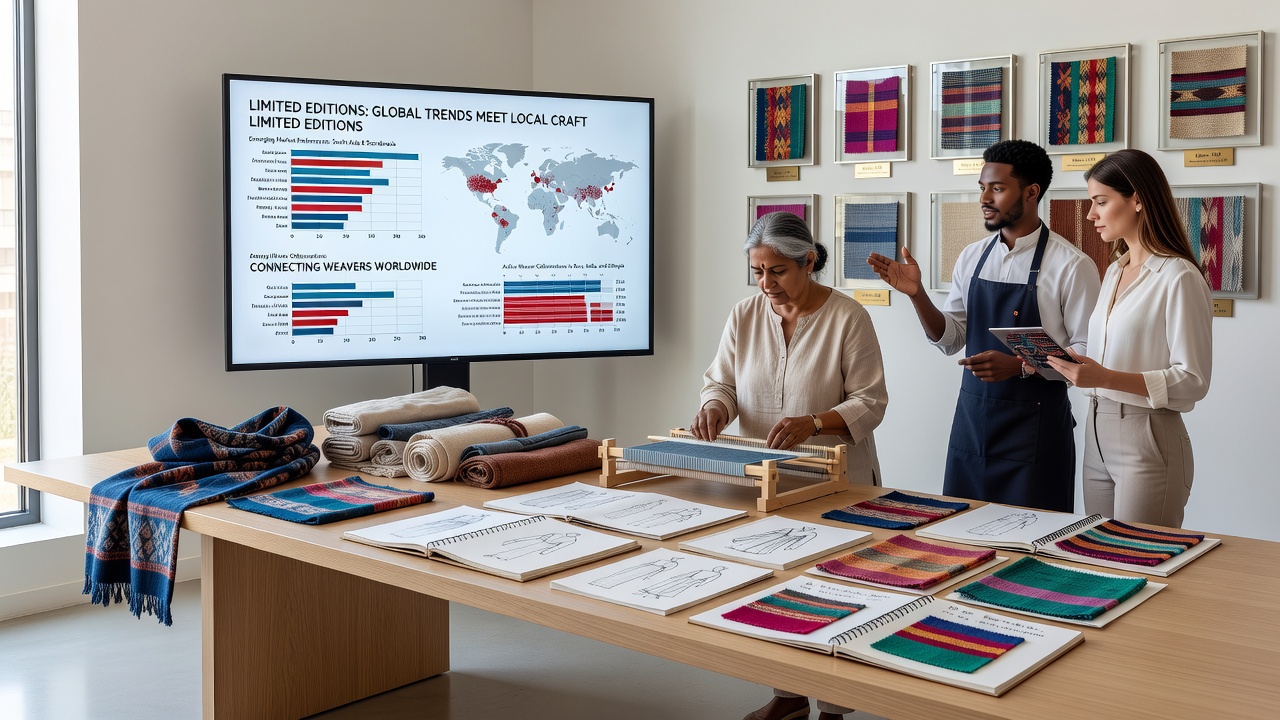
Market data compiled by European design councils further illustrates how these collaborations influence wider trends, as elements from limited pieces often appear in subsequent mass-market adaptations within two seasons. In October 2026, several houses plan to unveil collections that extend motifs first tested in small runs, demonstrating the ripple effect from weaver input to high-street accessibility. Those who've examined supply chain reports note that traceability features, such as QR codes linking to weaver profiles, have become standard in these offerings to meet consumer expectations in multiple regions.
Adaptation to Contemporary Trends
Fashion weeks scheduled for late 2026 are expected to showcase fabrics where weavers have integrated recycled yarns or natural dyes in response to regulatory guidelines emerging from both EU sustainability directives and Australian environmental standards. Experts have observed that color forecasting tools now incorporate input from artisan communities to ensure palettes resonate across diverse climates and cultural contexts. But here's the thing: the limited nature of each edition means that once sold, specific combinations of pattern and material become unavailable, which in turn drives secondary market activity documented by auction houses in New York and Tokyo.
Training initiatives tied to these projects often involve virtual sessions where established weavers share techniques with students in design schools throughout Europe and beyond. Research published by academic institutions indicates measurable skill transfers that help preserve methods like backstrap weaving or jacquard adaptations while encouraging innovation in scale and application. People who've reviewed participation metrics find that such programs frequently lead to new product categories, including accessories that merge woven elements with modern hardware sourced from industrial suppliers.
Conclusion
Overall, limited edition textiles continue to function as connectors between longstanding weaving traditions and the fluid demands of worldwide fashion cycles, with upcoming releases in October 2026 positioned to extend these links further. Data shows sustained interest from both producers and consumers when production remains transparent and volumes stay controlled, supporting ongoing exchanges that span multiple continents and generations of craftspeople.