Riley Long · 12 September 2026
Behind the Looms: Marena's Weaver Partnerships Revive Regional Italian Techniques Through Limited Editions
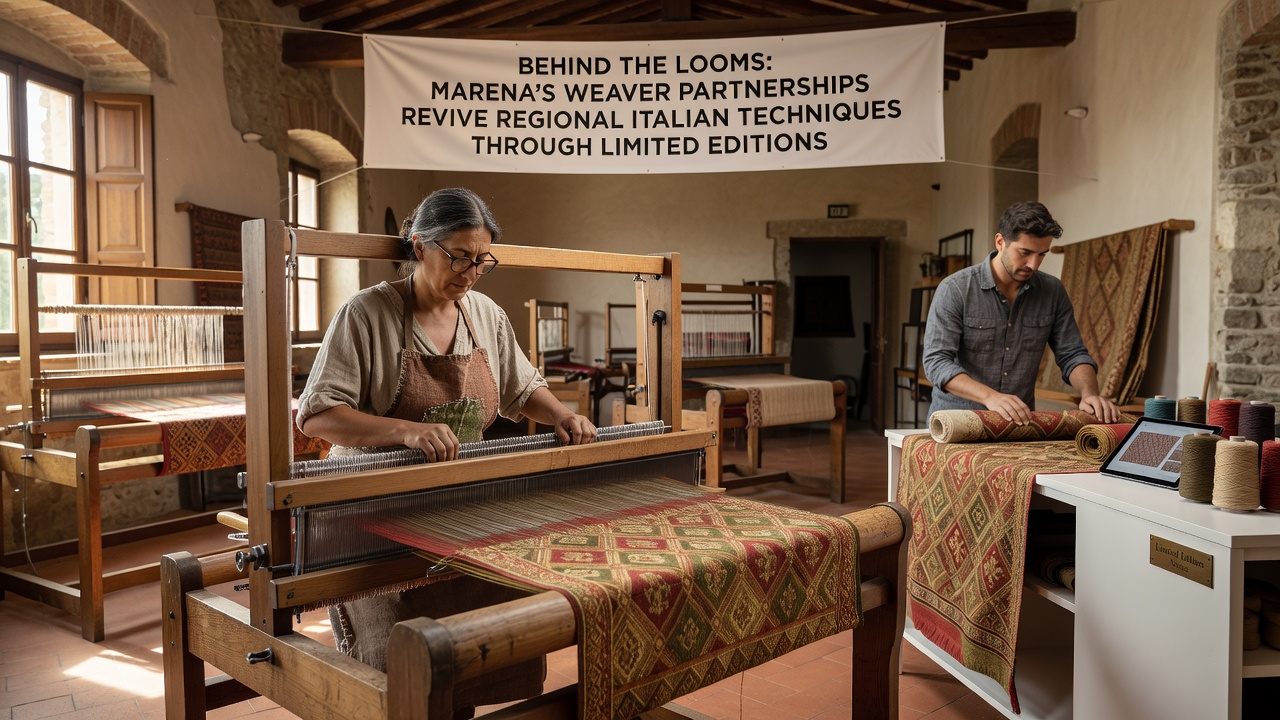
Marena has established partnerships with weavers across several Italian regions to bring back longstanding techniques that had faded from widespread use and the company releases limited-edition collections that incorporate these methods directly into contemporary pieces. Observers note that these collaborations focus on areas such as Tuscany, Umbria and Sicily where hand-weaving traditions once formed the backbone of local economies and the partnerships provide steady commissions that allow artisans to maintain their practices without relying solely on tourism markets.
Regional Techniques Reintroduced Through Structured Collaborations
Traditional methods like the double-cloth weave from Umbria and the intricate brocade patterns associated with Sicilian workshops receive renewed attention through Marena's agreements and these arrangements specify production runs that stay within small batches to preserve the labor-intensive nature of each item. Data from Italy's textile sector shows that hand-weaving output has declined steadily since the mid-twentieth century yet partnerships of this type have helped stabilize employment for skilled workers in rural districts according to figures released by the Italian Ministry of Enterprises and Made in Italy.
Artisans receive detailed briefs on color palettes and material specifications while retaining control over the execution of motifs that have been passed down through family lines for generations and the result appears in garments and home textiles that carry visible markers of their origin such as irregular selvedges or subtle variations in thread tension. Those who've examined the output point out that the limited nature of each release creates traceability from loom to finished product without requiring mass-scale mechanization.
Limited Editions Scheduled for Broader Release in September 2026
Production timelines align with seasonal collections and current schedules indicate that the next wave of items will become available in September 2026 with quantities capped at a few hundred units per design to reflect the pace of hand production. Supply-chain records indicate that raw materials such as locally sourced wool and linen move through short distances before reaching the looms which reduces transport-related emissions compared with longer global supply routes. European Union textile reports highlight that shorter regional chains contribute measurable reductions in overall carbon output for craft-based manufacturing.
Each piece carries documentation listing the specific weaver cooperative and the region of origin along with care instructions that account for the natural fibers used and buyers gain access to an online registry that tracks the edition number and confirms authenticity through embedded identifiers. This documentation system draws on practices already adopted by several craft organizations across the Mediterranean basin and it aligns with broader efforts to protect geographical indications for textile products.
Impact on Artisan Communities and Knowledge Transfer
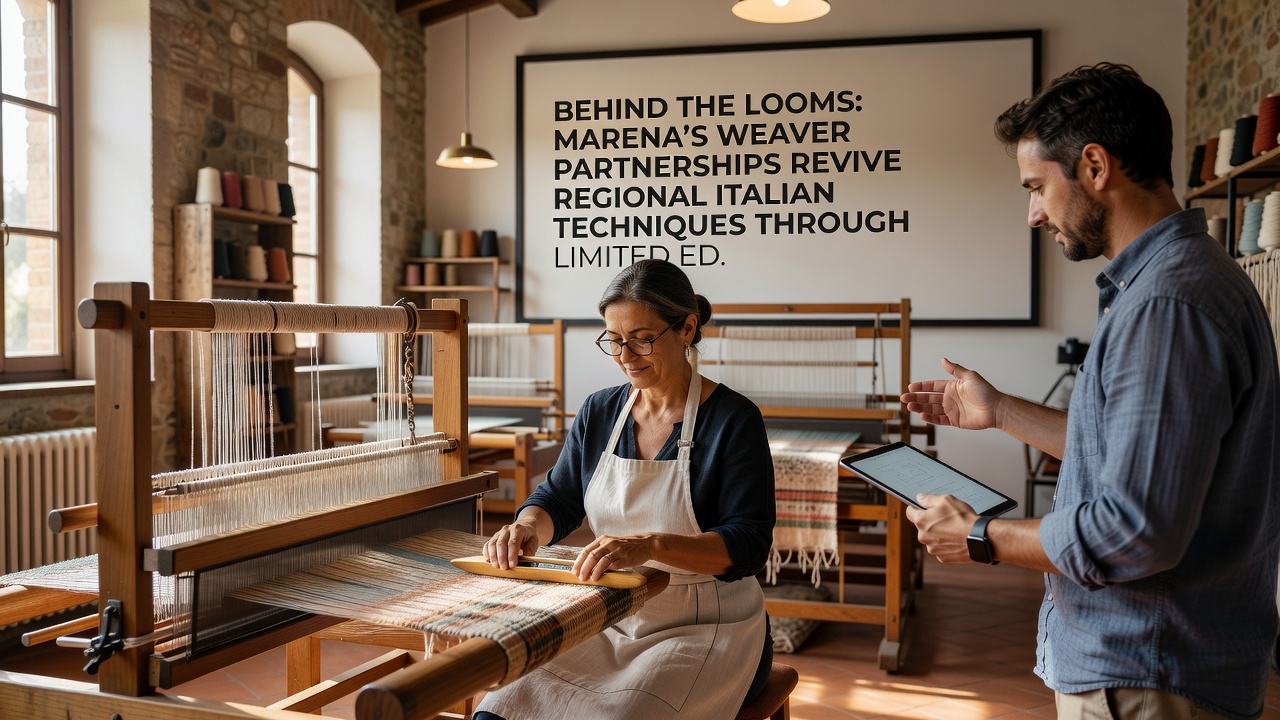
Younger apprentices now enter workshops where older weavers demonstrate techniques that nearly disappeared after the introduction of industrial looms in the 1960s and training programs funded through the partnerships cover both traditional patterns and modern adaptations that meet contemporary sizing and durability standards. One cooperative in Tuscany reported an increase in active looms from twelve to twenty-eight over three years following the start of its agreement with Marena while similar upticks appear in records from Sicilian partner groups. Research published by the University of Bologna's textile studies department indicates that sustained commissions encourage knowledge transfer across generations because artisans see viable income streams attached to their specialized skills.
Design teams at Marena review historical archives held by regional museums before proposing new interpretations and the resulting samples undergo multiple rounds of testing for colorfastness and drape before approval for limited production and this iterative process keeps the final garments aligned with both heritage aesthetics and practical wear requirements. Trade statistics compiled by the Italian Chamber of Commerce show that small-batch textile exports have grown in select categories over the past five years coinciding with increased visibility for craft-based brands.
Conclusion
Marena's approach demonstrates how targeted partnerships can sustain regional weaving knowledge while generating products that reach wider audiences through controlled releases and the September 2026 collections will provide further data on consumer response to these revived techniques. Continued documentation of output volumes and artisan participation will allow future assessments of the model's long-term effects on Italy's craft landscape.